P3 NEWS
Future of Agriculture Study calls for county-wide land use plan and new incentives to keep farming viable as Pickaway County grows
For Immediate Release · October 14, 2026
Report identifies 31 actions and eight priorities after a year of community engagement; county has been losing about 2,700 acres of farmland a year
Contact: Tiffany Anderson, Assistant Director, Pickaway Progress Partnership, tanderson@pickawayprogress.com
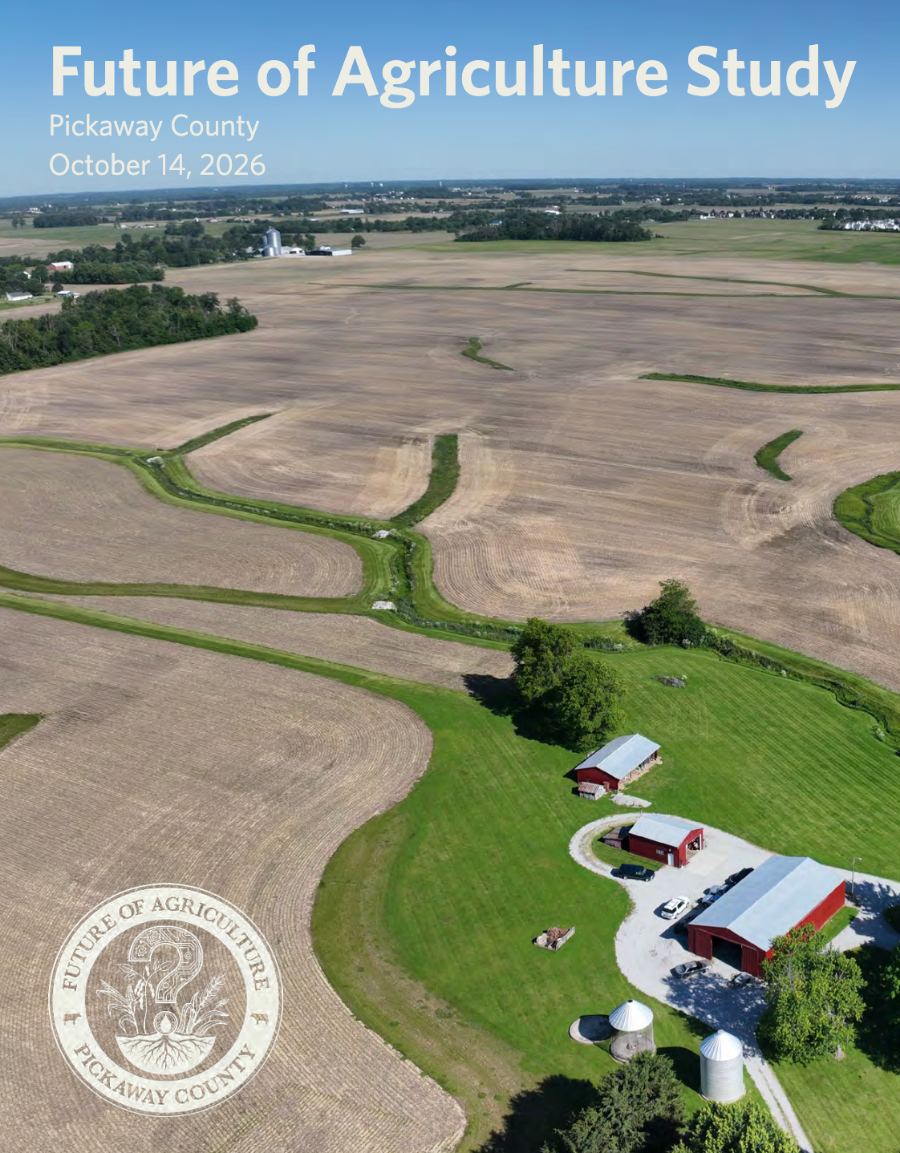
CIRCLEVILLE, Ohio – Pickaway Progress Partnership today released the Future of Agriculture Study, a county-wide plan for keeping farming productive and profitable in Pickaway County while the county continues to grow and diversify its economy.
The study was prepared over the past year by a 17-member Agriculture Committee of farmers, landowners and agribusiness leaders convened by P3, with planning consultant Planning NEXT. It recommends 31 actions and six economic development tools, and identifies eight priorities the committee believes the county, P3 and local governments should take up first. At the top of the list is a county-wide land use plan, work the county has already begun.
The full report is available at pickawayprogress.com/future-of-agriculture-study.
Read the Future of Agriculture Study (opens in a document viewer on this page)
Farms cover 88 percent of Pickaway County, more than 280,000 acres, and produce about $250 million a year in market value. But the most recent Census of Agriculture found the county lost 13,800 acres of farmland between 2017 and 2022, roughly 2,700 acres a year and the first decline in 25 years. Most of that land went to development, and farmland that is developed almost never returns to agriculture.
The study documents other pressures as well. The average Pickaway County farmer is 59 years old, compared with about 40 for county residents overall, and the share of farmers over 65 has grown from 23 percent in 2002 to 39 percent in 2022. Farmland appraised at $13,700 an acre in 2022 sold for an average of $27,000, driven by large purchases in the northern county and along U.S. 23. Corn and soybeans occupy 93 percent of the county’s cropland, leaving farmers exposed to markets they cannot control. The county is expected to add 20,000 residents by 2050.
“Agriculture has been Pickaway County’s economic driver for a long time, and like any industry it has to adapt to stay successful,” said Keith Summers, chair of the Agriculture Committee and owner of Leist Mercantile. “Growth is coming either way. The question is whether we plan for it in a way that keeps farming strong here, and this study is the committee’s answer to that question.”
The study sets out a vision of a Pickaway County where agriculture is diverse, resilient, local and viable for future generations of farmers. Its recommendations fall under three themes: managing growth, stewarding the land and encouraging prosperity.
The eight priority actions are:
- Draft and adopt a county-wide land use plan that identifies the areas best suited for development and the areas best suited for agriculture. The county’s Planning Commission has already begun this work.
- Establish a county-wide community reinvestment area focused on agriculture, using tax incentives to steer new development toward land that has already been developed and away from working farmland.
- Maintain a bank of resources on farmland preservation and best practices, including financial, legal, academic, marketing and labor contacts, in an easy-to-find location such as the P3 or OSU Extension website.
- Promote programs that help farmers diversify production and protect soil and water, including cover crops, stream buffers and other practices that keep land productive over the long term.
- Establish or support local newsletters that cover community news, including agriculture, so residents hear about farm issues, programs and advocacy opportunities.
- Establish a new agribusiness incentive program to encourage new farm businesses and entrepreneurship in the county.
- Review the county’s conveyance fee and explore adjustments, such as reduced fees for farmer-to-farmer land sales, that would help keep farmland in farming and generate revenue for preservation programs.
- Use community benefit agreements when a large development needs approval because it does not comply with existing regulations, securing infrastructure improvements, protected farmland or funding for community programs in exchange.
“Pickaway County doesn’t have to choose between new jobs and farming. We can have both through planning and collaboration,” said Brian Hill, executive director of Pickaway Progress Partnership. “This study gives the county, the townships and the villages a set of practical tools that we know work. Our job now is to keep the committee together and start checking items off the list.”
More than 450 people took part in the study, including 93 high school students from Circleville and Teays Valley high schools, 23 stakeholders interviewed, and residents who attended four public meetings. Public engagement opened in March with a panel discussion at Heritage Hall on the Pickaway County Fairgrounds featuring Ohio Department of Agriculture Director Brian Baldridge, Wayne County Planning Director Jennifer Kiper and Pickaway County farmer Lee Radcliff. In June, fairgoers at the Pickaway County Fair voted on a preliminary set of actions, and that input shaped the final priorities.
The study recommends that the Agriculture Committee continue permanently to track progress on the recommendations and that the county establish a funded administrator position and an agriculture fund to carry the work forward. It also points to Wayne County, Ohio, as a model, citing its farmland preservation specialist and its record of putting agricultural priorities in front of county decision makers.
The county-wide land use plan recommended in the study is already in progress through the Pickaway County Planning Commission. That plan will guide where growth and agriculture are best suited across the county. It is not zoning. Townships and municipalities will continue to control their own zoning decisions.
The Future of Agriculture Study was funded by Circleville Ag Products, the P3 Board, the Pickaway County Community Foundation, the Pickaway County Farm Bureau, the Pickaway County Port Authority, and a Smart Growth Grant.
About Pickaway Progress Partnership
Pickaway Progress Partnership is the economic development organization for Pickaway County and its municipalities, working with local governments, businesses, schools, agricultural interests and regional partners to promote economic opportunity and quality of life throughout the county. Learn more at pickawayprogress.com.